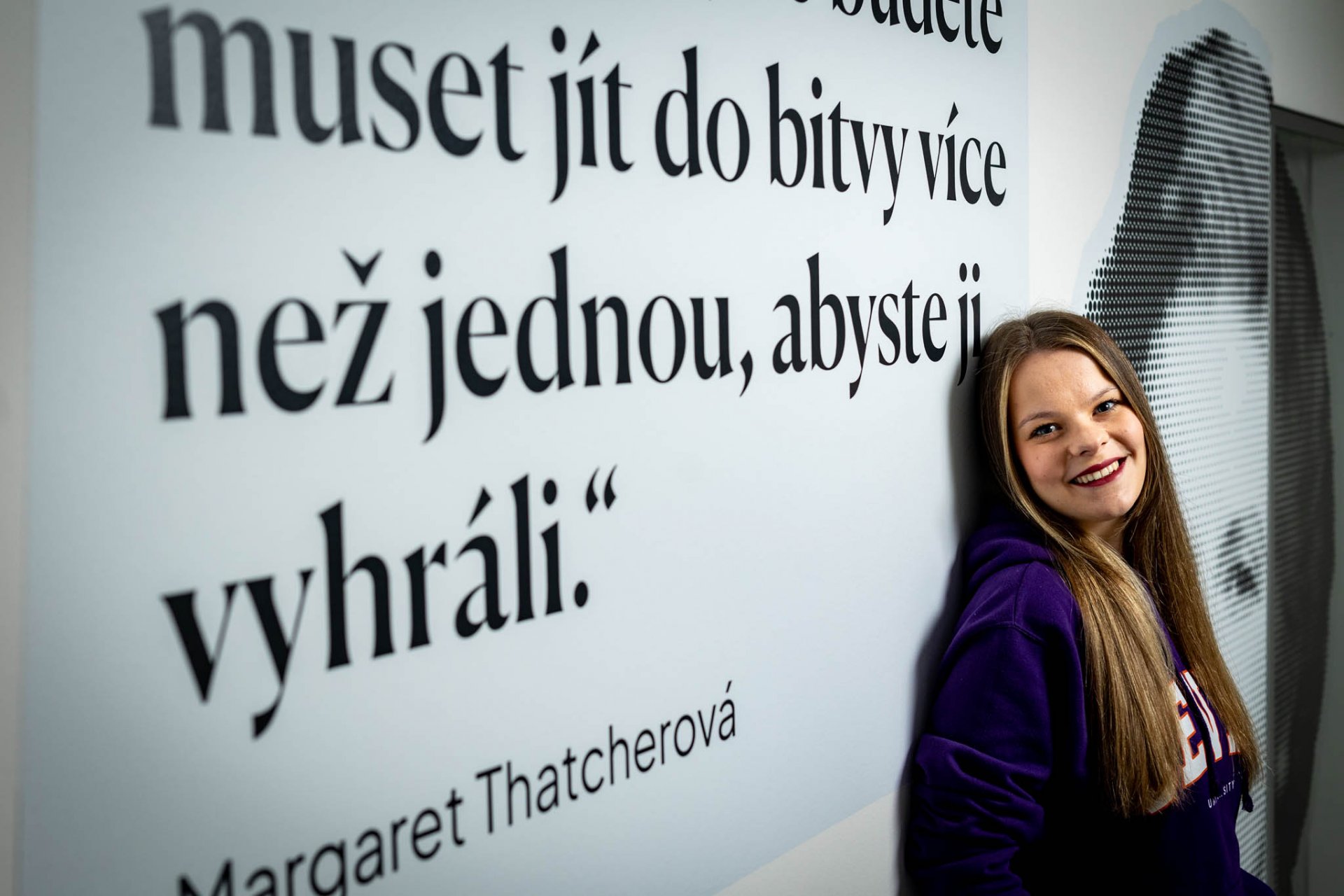
This course explores the ethical aspects of social theory and practice and the uncomfortable yet omnipresent questions of moral considerations in our lives and decision making. Its fundamental rationale is the dictum of the philosopher Jan Patočka, reiterated by thinkers from Adam Smith and John Locke to political practitioners such as Margaret Thatcher, that “no society… can function without a moral basis, which is not a matter of opportunity, circumstances or anticipated benefits.” We will explore the different hypotheses and theories about the sources and roots of moral behaviour in our evolutionary past, in the judeo-christian tradition, the reasonings of Plato and the philosophers of Antiquity, the theories of British empiricists and liberal thinkers John Hume and Adam Smith, the idealistic perspective of Immanuel Kant, the rejection of morality by Karl Marx and Friedrich Nietzsche, the reflections of the traumas and horrors of the 20th century in the works of Levinas, Patočka and others, all the way to the contemporary liberal perspective of morality as a form of justice by John Rawls et al. We will apply the knowledge derived from the classical texts to present-day concerns with the environment, inequality, social justice and the emerging mega-phenomenon of artificial intelligence.
Subject Syllabus:
- The evolutionary roots of moral behaviour
- The spiritual foundations of morality in Judaism and Christianity.
- The care for the soul in Plato and the moral thinking in Antiquity.
- Morality as a precondition for the free market and open society: the other Adam Smith
- Immanuel Kant and the categorical imperative.
- When everything is allowed: The rejection of morality by Karl Marx and Friedrich Nietzsche
- Morality of the shaken: Karl Jaspers and Emmanuel Levinas.
- The Central European contribution to moral thinking: Masaryk, Patočka, Kolakowski.
- Morality as a narrative: Michel Foucault and Jacques Derrida.
- Normative ethics of John Rawls
- Politics of moral responsibility: Margaret Thatcher, Václav Havel
- The moral challenges ahead: Environment, equality, migration, artificial intelligence


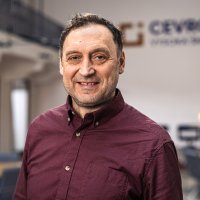 prof. PhDr. Karel B. Müller, Ph.D.
Politologie
prof. PhDr. Karel B. Müller, Ph.D.
Politologie
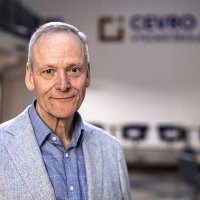 JUDr. Cyril Svoboda, Ph.D.
Bezpečnost
JUDr. Cyril Svoboda, Ph.D.
Bezpečnost
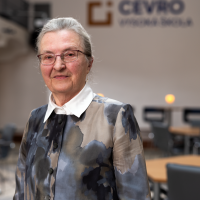 doc. JUDr. Ivana Štenglová
Právo
doc. JUDr. Ivana Štenglová
Právo
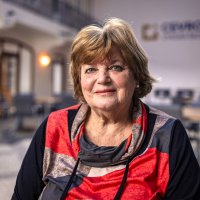 doc. Ing. Božena Kadeřábková, CSc.
Ekonomie
doc. Ing. Božena Kadeřábková, CSc.
Ekonomie
 Ing. Lucie Kureková, Ph.D.
Ekonomie
Ing. Lucie Kureková, Ph.D.
Ekonomie