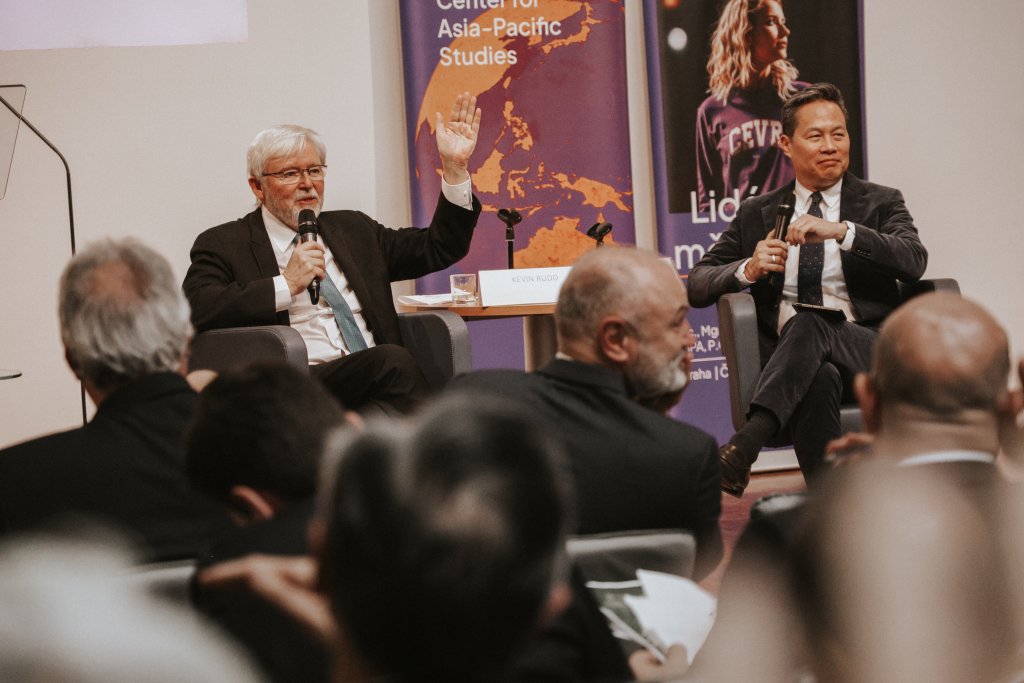
Kevin Rudd at CEVRO University: Understanding China and the Future of the Global Order

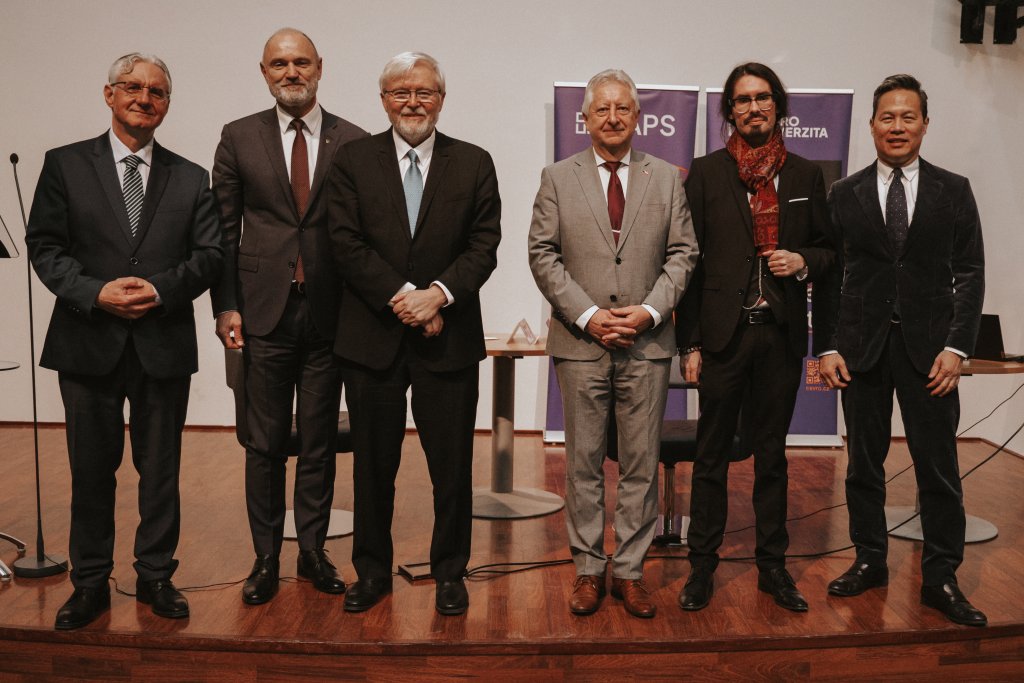
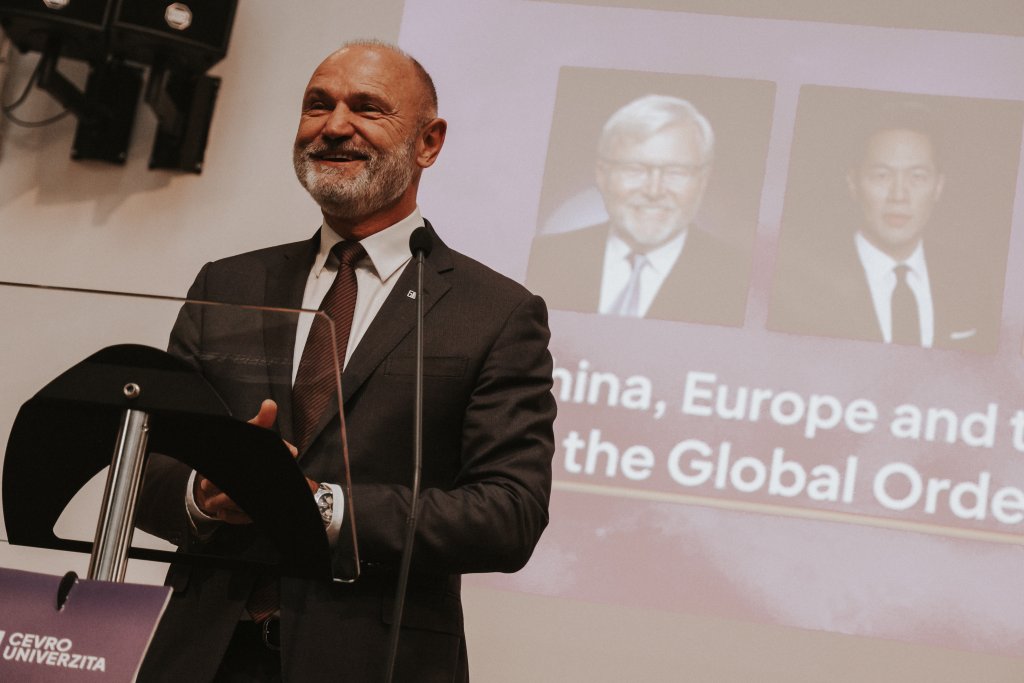
CEVRO University welcomed former Australian Prime Minister, diplomat and leading China expert Dr Kevin Rudd on 6 November 2026 for a discussion on China's changing international role, geopolitical competition and the challenges facing Europe. Organised by the Center for Asia-Pacific Studies (CAPS), the event brought an international perspective to some of the most consequential issues in contemporary world politics.
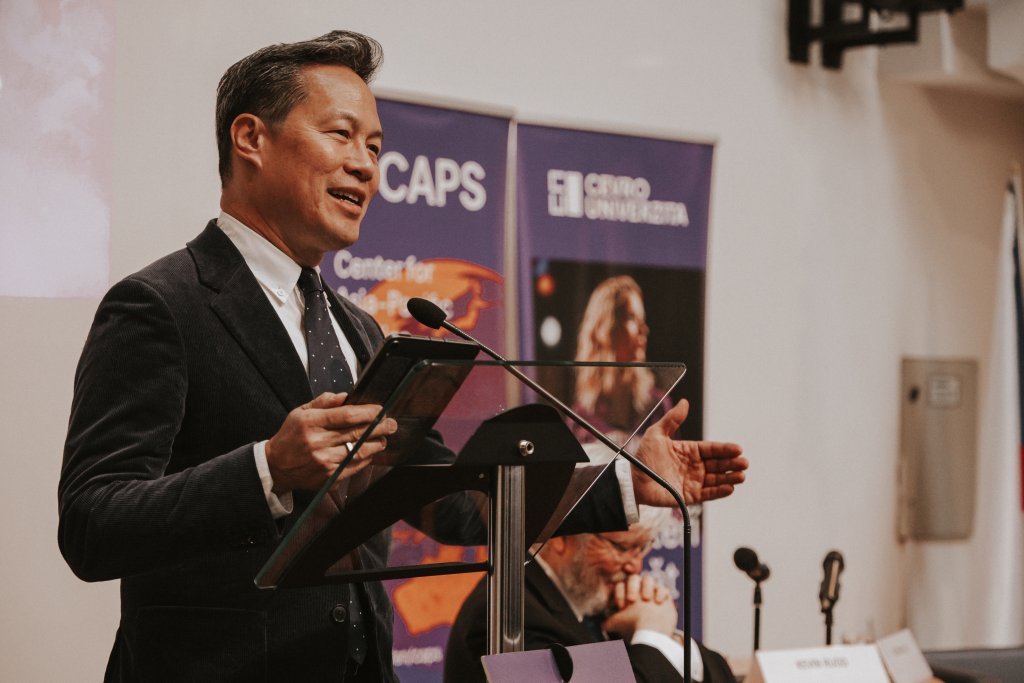
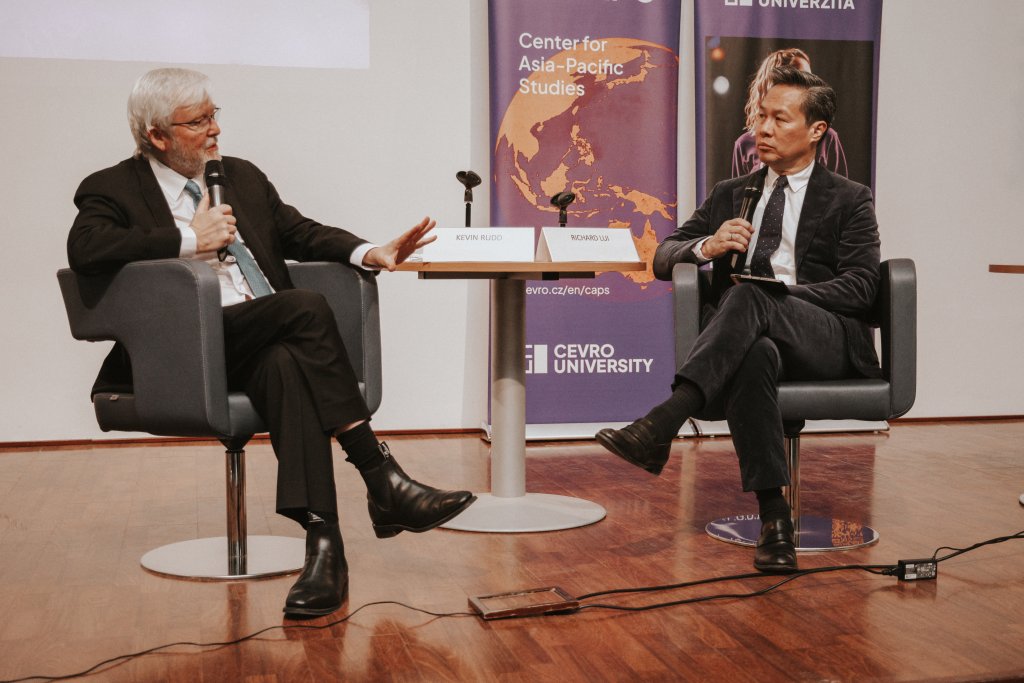
The event, entitled China, Europe and the Future of the Global Order, featured Kevin Rudd, former Prime Minister of Australia and President of Asia Society. The discussion was moderated by American journalist Richard Lui and included questions from the audience.
In his keynote address, Rudd examined the transformations in Chinese politics under President Xi Jinping. He argued that understanding China's domestic and international behaviour requires more than an assessment of its economic interests and diplomatic decisions. It also requires a serious examination of the ideological framework guiding the Chinese leadership.
“In Marxist-Leninist countries ideology becomes very much the code language within which the regime speaks to itself,” Rudd said.
Rudd identified three major shifts: the consolidation of Communist Party authority in domestic politics, the growing role of state planning in the economy, and a more assertive approach to foreign and security policy.
The subsequent discussion explored the implications of these developments for Europe. Rudd highlighted the challenges posed by Chinese industrial competition and state subsidies, as well as the importance of European unity and strength in dealing with Beijing.
“In dealing with the Chinese system, it is important to be united, it is important to be strong, it is important to be clear,” he emphasised.
Questions from the audience also addressed the future of US foreign policy, India's position in the evolving global balance of power, political polarisation in democratic societies and international cooperation on climate change.
The event offered participants an opportunity to engage with a former head of government whose experience in international diplomacy is complemented by decades of academic and policy work on China.
By hosting the discussion, CAPS continued its work of connecting academic expertise with practical international policy questions and strengthening informed debate about the Asia-Pacific region and its relevance to Europe and the Czech Republic.