Debate at CEVRO University shows how the EU–India Free Trade Agreement could open new opportunities for Czech small and medium-sized enterprises

The upcoming free trade agreement between the European Union and India, the prospects for Czech businesses on the Indian market, and tools for navigating international trade were the main topics of the conference Is the EU–India Trade Agreement an Opportunity for Czech Small and Medium-Sized Enterprises? The event was organised by the Centre for Asia-Pacific Studies (CAPS) together with the Centre for Economic Studies (CES) at CEVRO University as a partner event of the European Commission’s Trade Policy Day 2026. Held in Prague on 14 October, the conference aimed to bring together experts on European trade policy, representatives of the diplomatic community and the business sector.
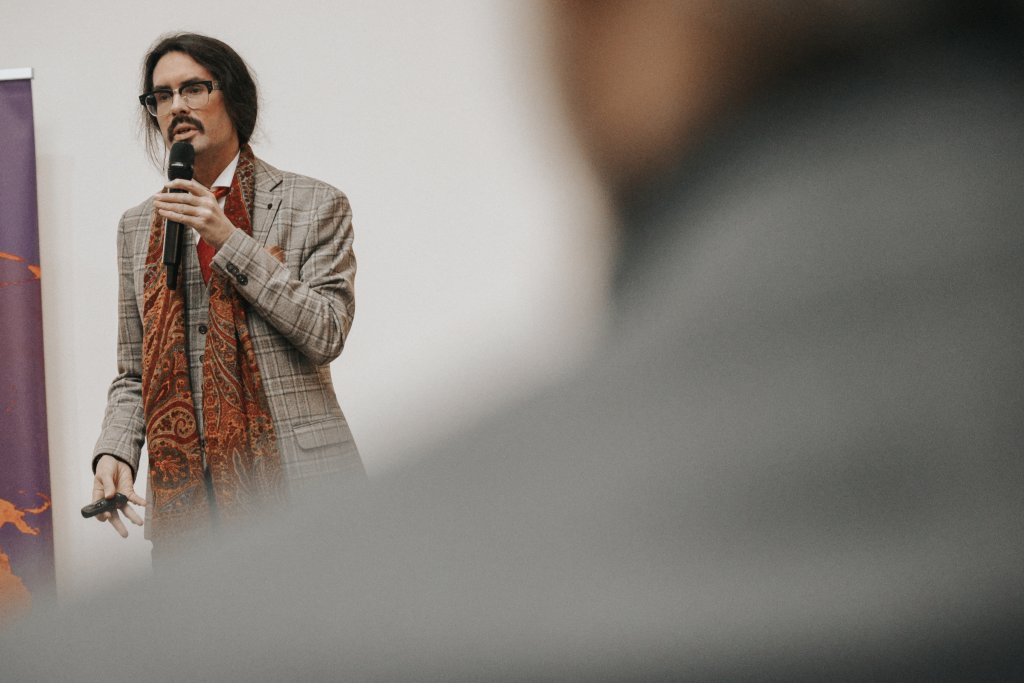
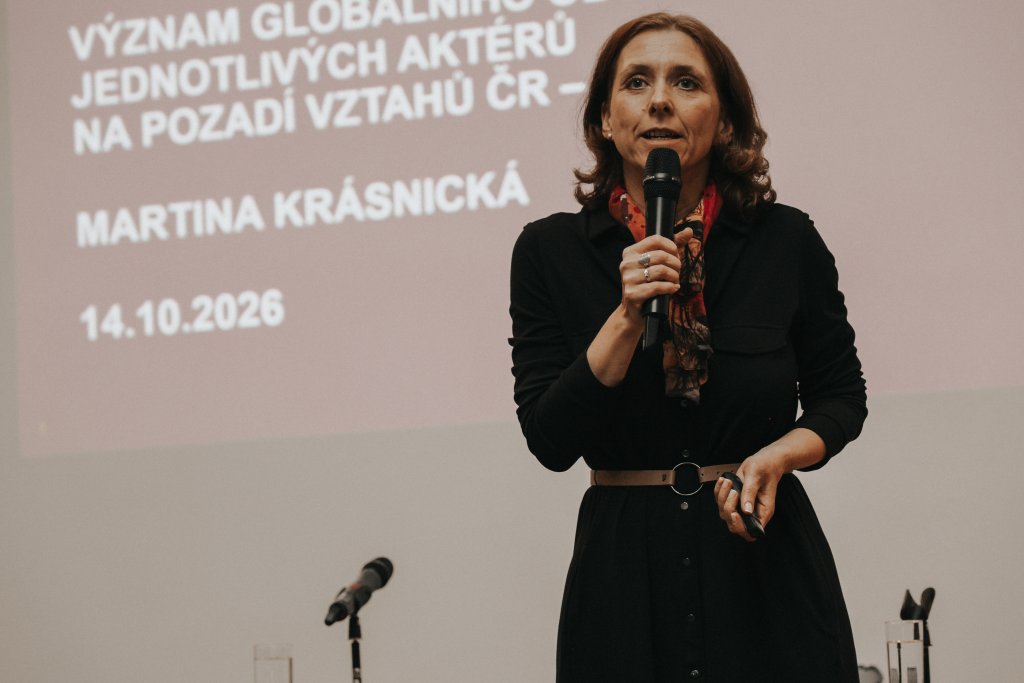
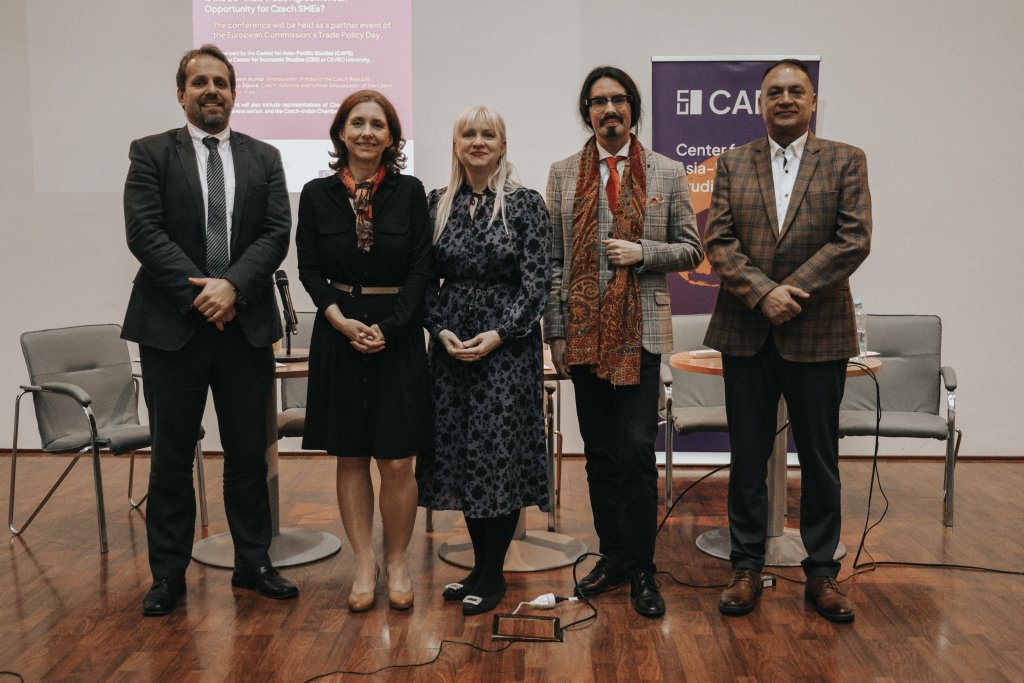
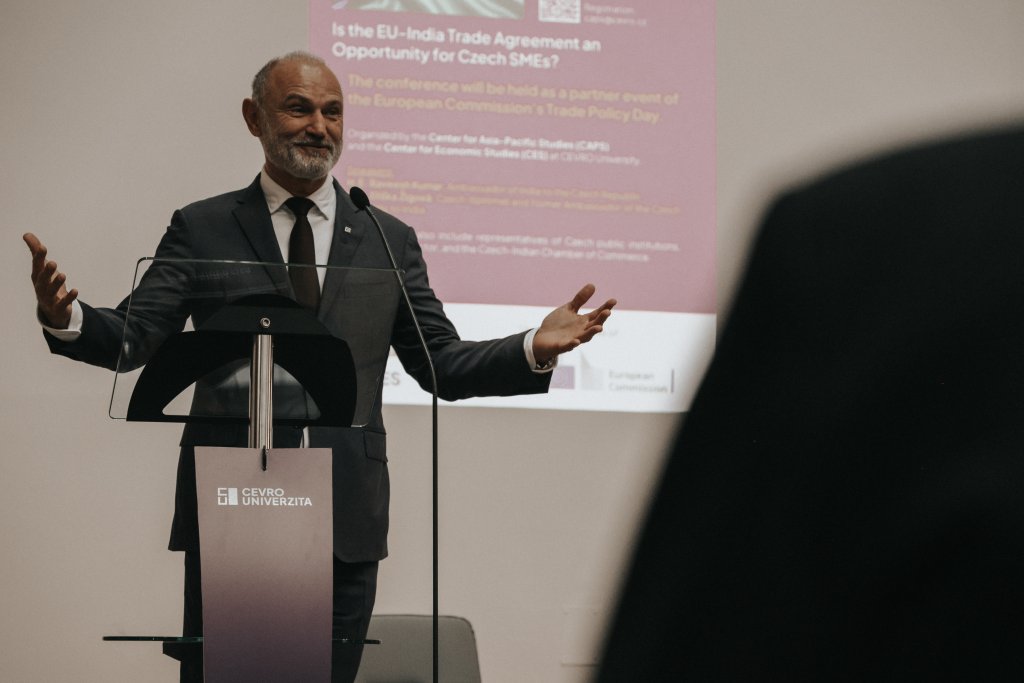
Opening remarks were delivered by Dr. Jan Železný, Executive Director of CAPS, and Dr. Ivan Langer, Chairman of the Board of Trustees of CEVRO University. The first panel focused on the importance of global trade and the role of individual actors in Czech–Indian relations. Dr. Martina Krásnická from the Centre for Economic Studies, a member of the EU Trade Champions Network, outlined the broader context of global trade and the roles of individual actors against the backdrop of relations between the Czech Republic and the European Union. Dr. Jan Železný then presented the content of the upcoming agreement, and Pavlína Shaw from the Ministry of Industry and Trade introduced the Access2Markets tool.
“India is a key player in a multipolar world and a major power on today’s global stage. It has the world’s largest population, it is the fourth-largest economy after the USA, China and Germany, and it has a very young population with a rapidly growing middle class.”
Dr. Jan Železný, Executive Director of CAPS
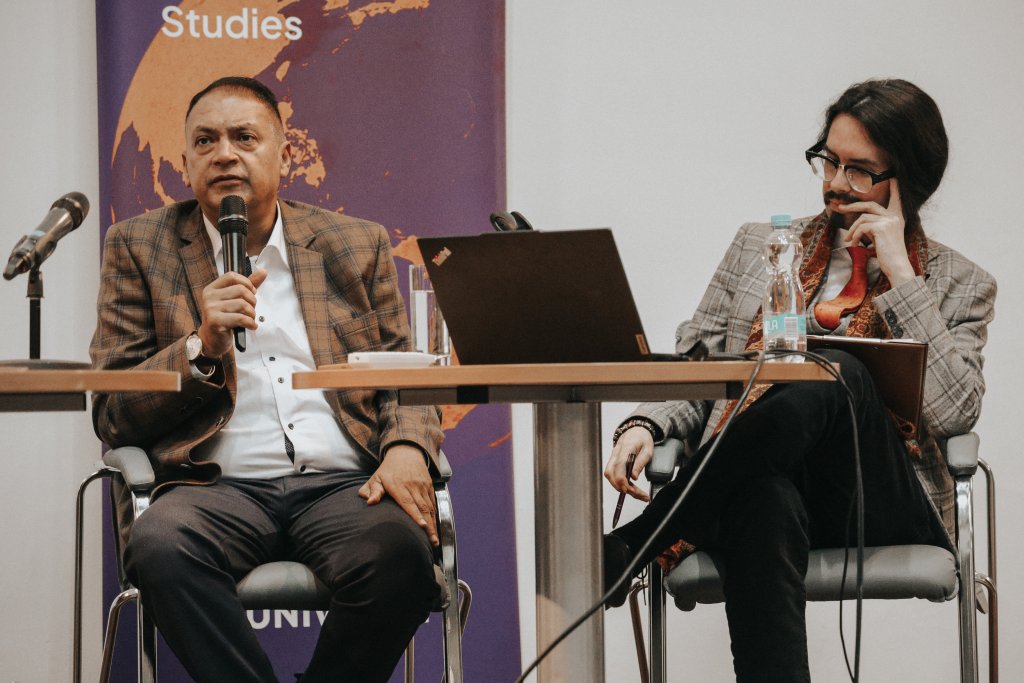
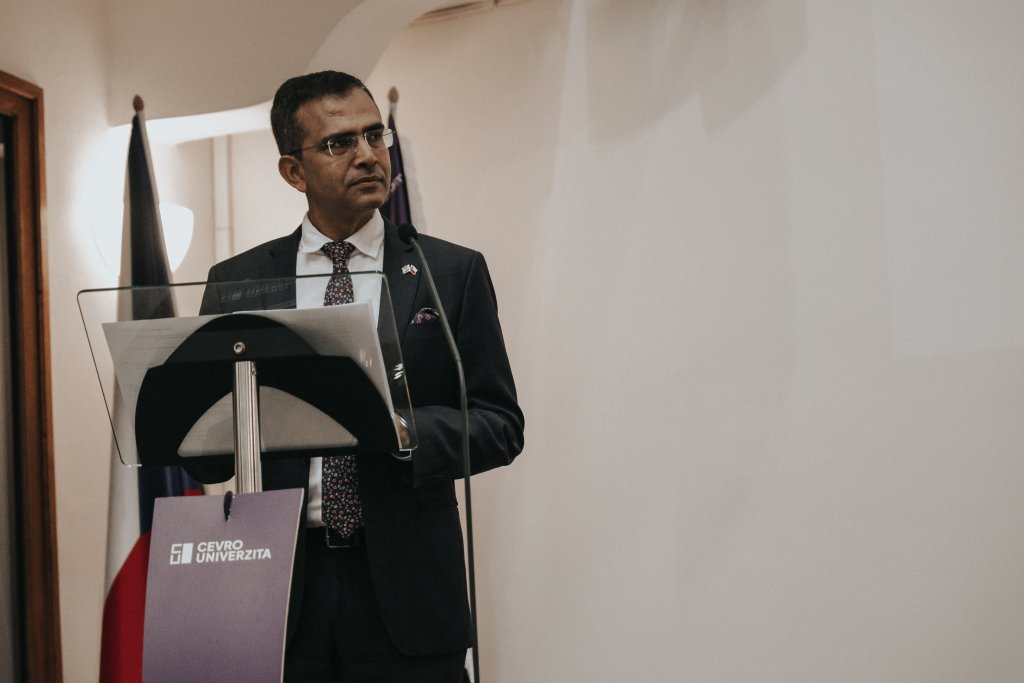
The second panel offered a diplomatic perspective on India. The discussion featured H.E. Raveesh Kumar, Ambassador of the Republic of India to the Czech Republic, and H.E. Eliška Žigová, former Czech Ambassador to India. The panel was moderated by Dr. Jan Železný. It discussed in detail the ways in which Czech companies can engage with the Indian economy, highlighted the most common difficulties they encounter, and shared useful advice on how to avoid them. Specific sectors that could be of potential interest to Czech businesses were also mentioned, and the panellists touched on the cultural specifics of doing business in India.
“In India, you will find three key factors in one place: demand, demography and democracy. A market of 1.5 billion people will consume almost anything you produce. And the democratic system gives you the certainty that the money you invest will not fly out of the window but will enjoy legal protection.”
H.E. Raveesh Kumar, Ambassador of India to the Czech Republic
“India is not a market where you arrive, sell your goods and leave. It is about building partnerships and trust over the long term. You have to invest in understanding Indian culture, mindset and business practices. You also need to take the ‘Make in India’ concept into account – more and more often, it is not enough simply to export to India; you need to manufacture locally in cooperation with a local partner.”
H.E. Eliška Žigová, former Czech Ambassador to India
The third and final panel looked at India from a business perspective. Experience with business cooperation was shared by Shashidhar Singh, Vice-President of the Czech–Indian Chamber of Commerce and CEO of Dina-Hitex spol. s r.o., Vladimíra Hirsh from the Asia and Pacific Department of the Ministry of Foreign Affairs of the Czech Republic, and Jiří Binder, sales representative of Houfek a.s. The panel was moderated by Dr. Martina Krásnická and Dr. Jan Železný.
The conference clearly showed that the development of trade relations between the European Union and India raises important questions for Czech businesses seeking to strengthen their international competitiveness and explore new export opportunities. It thus provided a space for experts in trade policy, diplomacy and business to meet and discuss both the opportunities and the practical aspects of Czech–Indian economic cooperation.
Bc. Kateřina Kovács, CAPS Junior Fellow