Czech Republic and Central Asia: Partnership for the 21st Century. An expert debate on the future of mutual relations took place at CEVRO University.

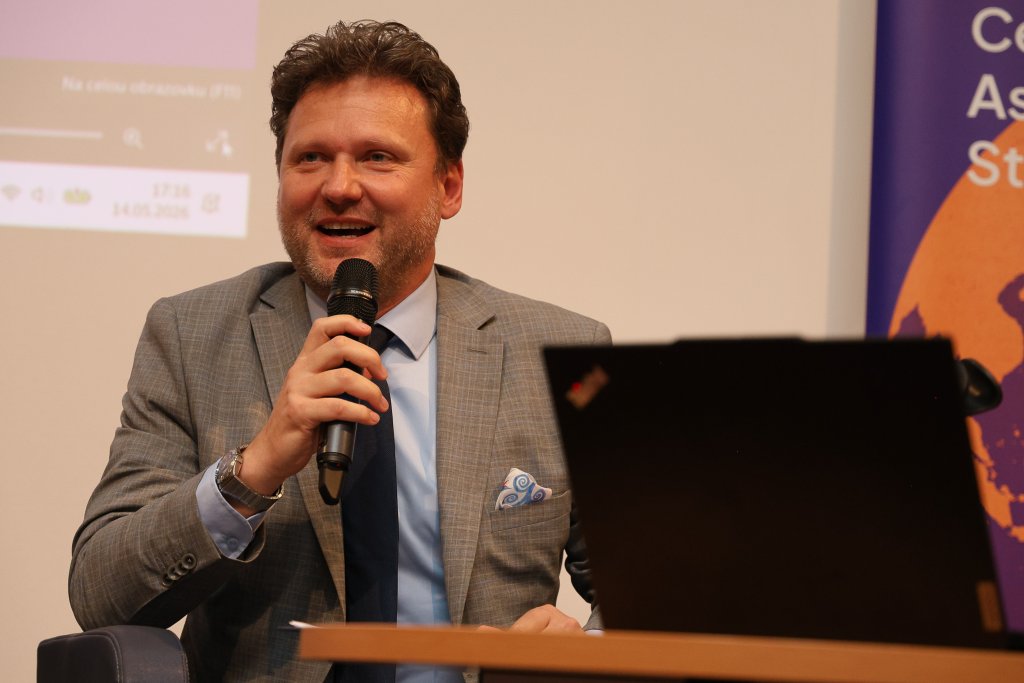
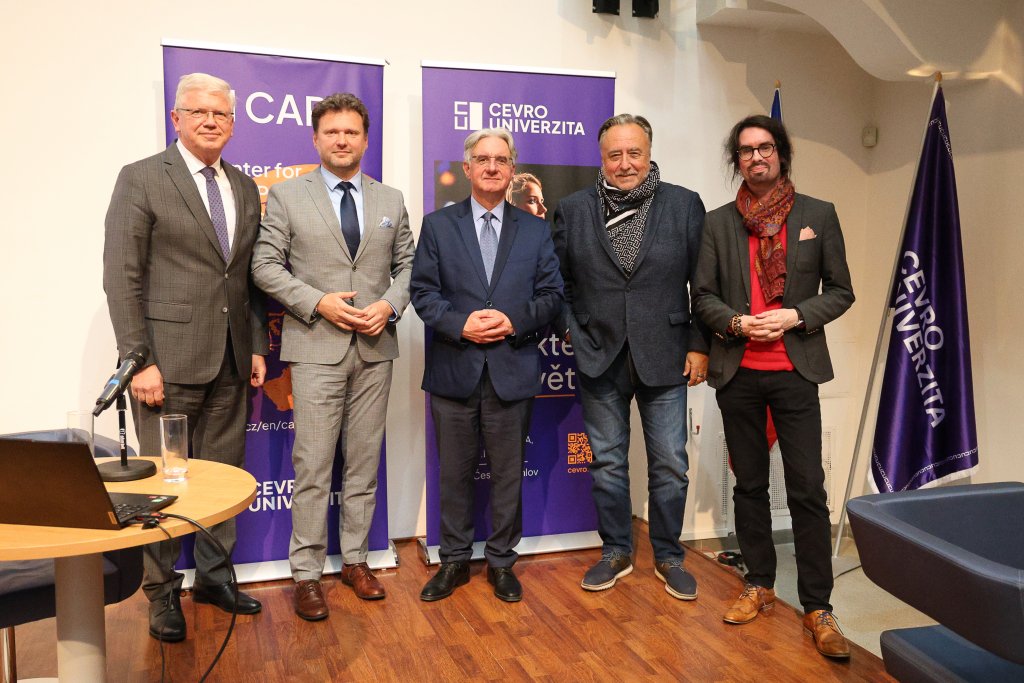
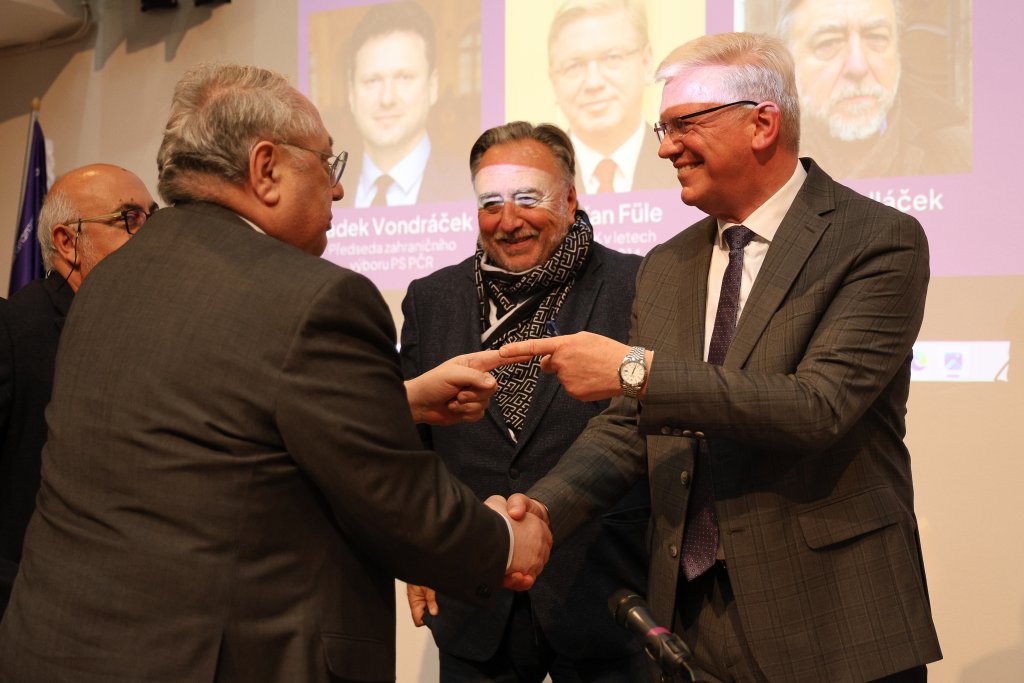
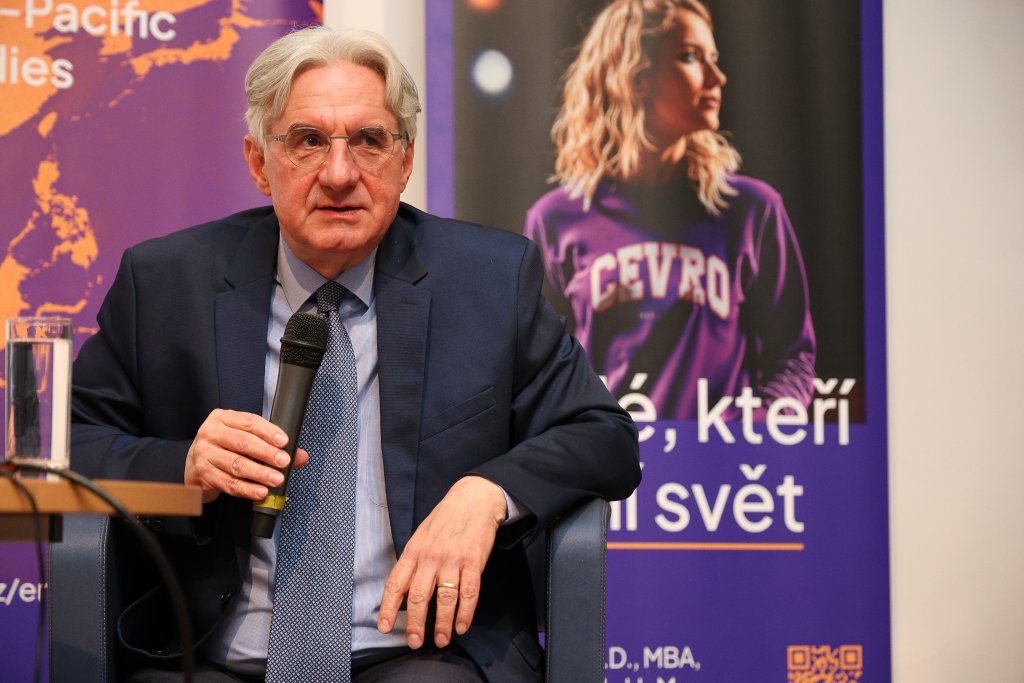
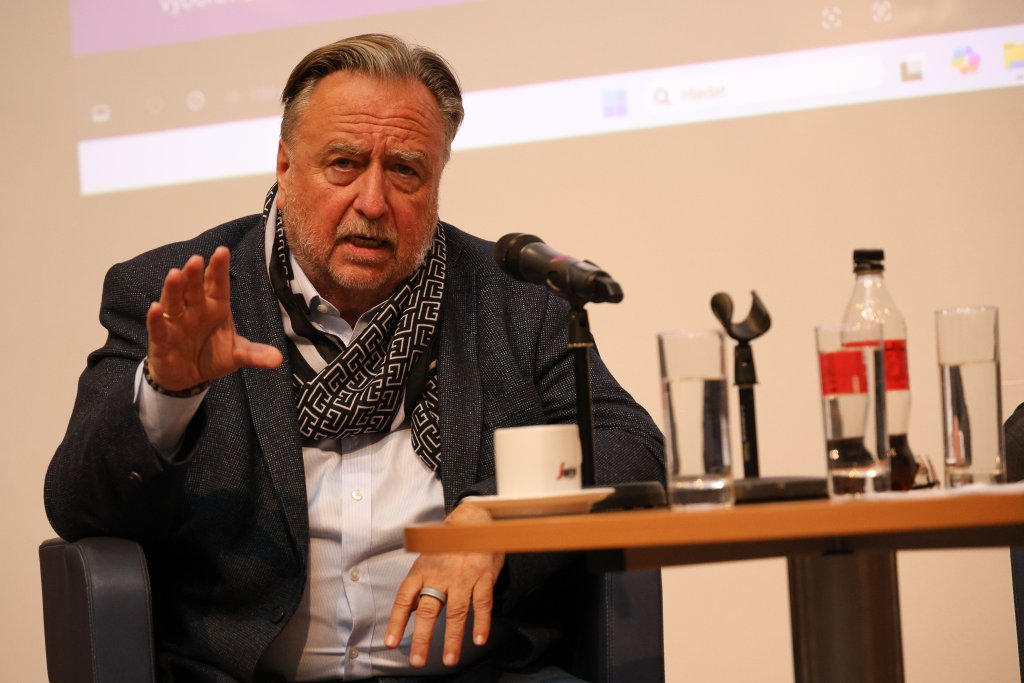
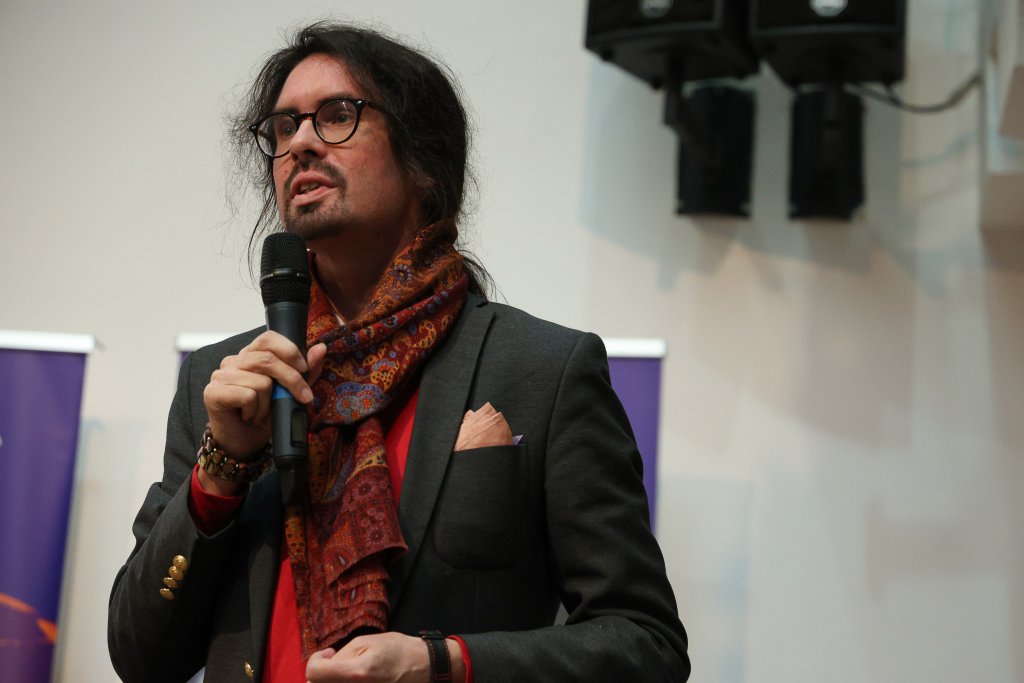
On Thursday, April 14, an expert debate titled "Czech Republic and Central Asia: Partnership for the 21st Century" took place at CEVRO University in Prague, organized by the Center for Asian-Pacific Studies. The guests were Radek Vondráček, a Czech politician and lawyer who serves as the Chairman of the Foreign Affairs Committee of the Chamber of Deputies of the Parliament of the Czech Republic. Štefan Füle, a Czech diplomat who served as European Commissioner in the years 2010–2014, and Milan Sedláček, the Ambassador of the Czech Republic to Azerbaijan. The discussion was moderated by Jan Zahradil, Chairman of the CAPS Advisory Board.
The debate focused on the current state and perspectives of relations between the Czech Republic, the European Union, and the states of Central Asia, their growing geopolitical significance, and the transformation of the EU's approach to this region in the context of the current international environment.
In a subsequent interview, Štefan Füle emphasized that Central Asia is no longer a marginal topic of European foreign policy, but on the contrary, is becoming one of its key strategic regions. He stated that in recent years, the European Union has been overcoming its previous focus primarily on its own internal integration as well as the traditional division of partners into "candidate countries" and other actors. According to him, the EU is paying increasing attention to the broader neighborhood, with the same degree of systematic and detailed attention it previously devoted primarily to states with a membership perspective, which he considers a positive development.
In response to a question regarding the development of the region over the next ten years, Füle stated that he would wish for Central Asia to be a space that will not merely be an object of rivalry between major integration projects, but will manage to maintain its own autonomy and the capacity to cooperate with various actors in a balanced manner. He mentioned that the region is located at the crossroads of the influence of the European Union, the Eurasian Economic Union, and the Chinese Belt and Road Initiative, which according to him is gradually becoming a broader, more multilateral integration project. According to him, the states of Central Asia should strive for such a model of relations with these actors that will be economically and socially beneficial for them.
The panel discussion was followed by an open debate with students, the academic public, and other guests from professional and diplomatic practice.